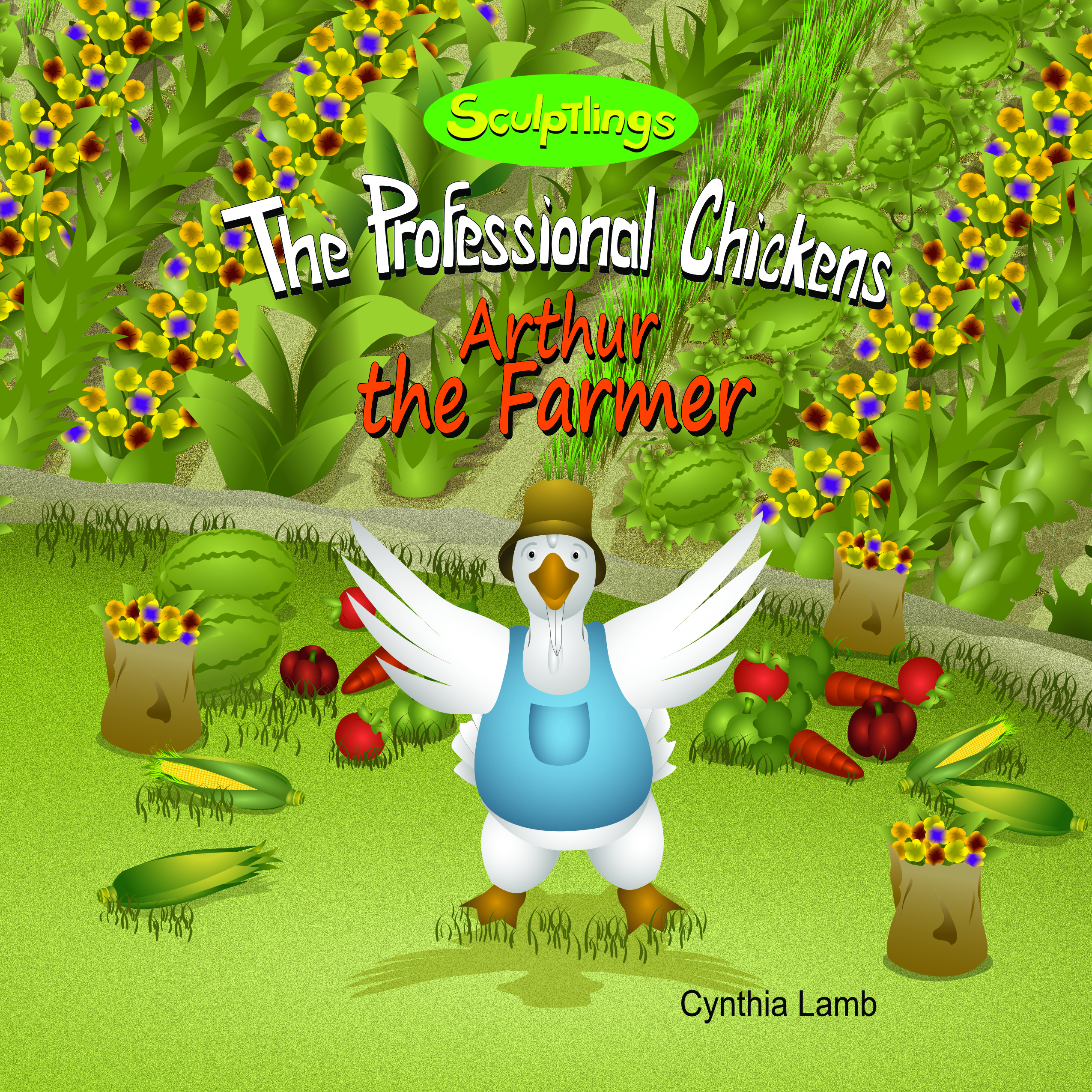
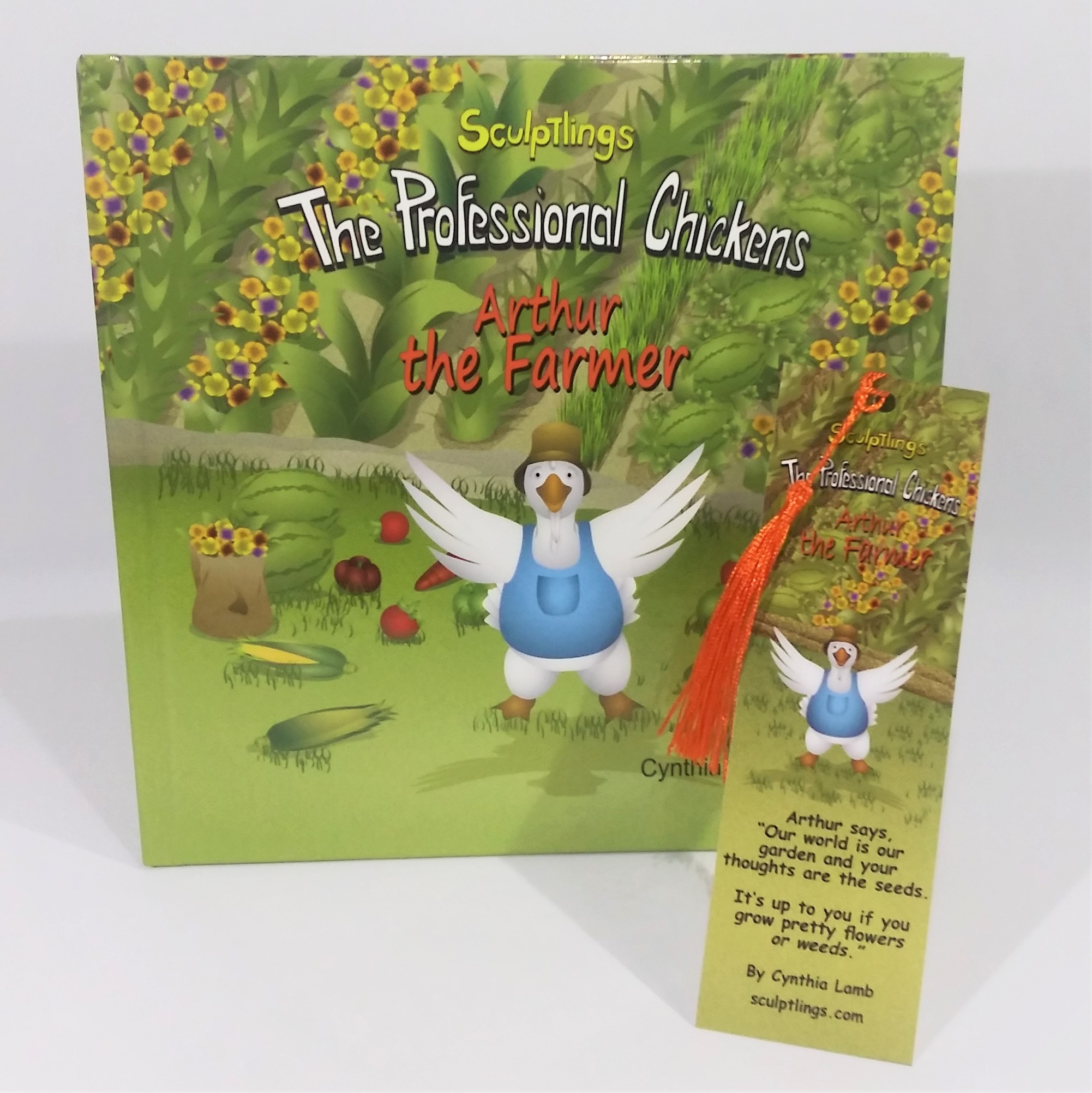

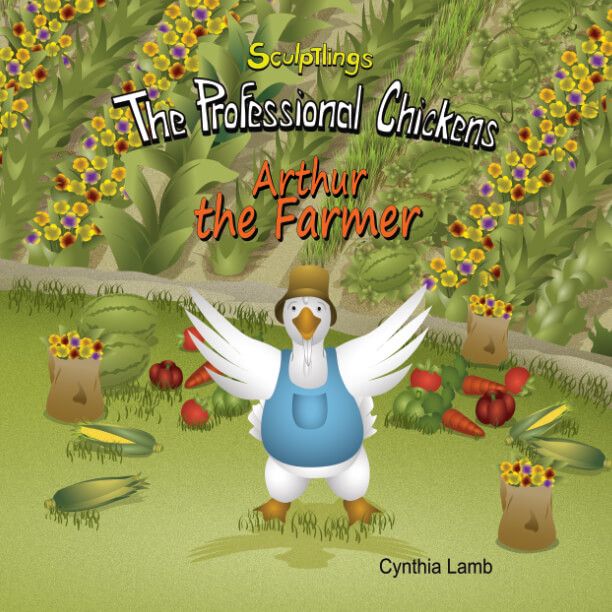
About Arthur the Farmer
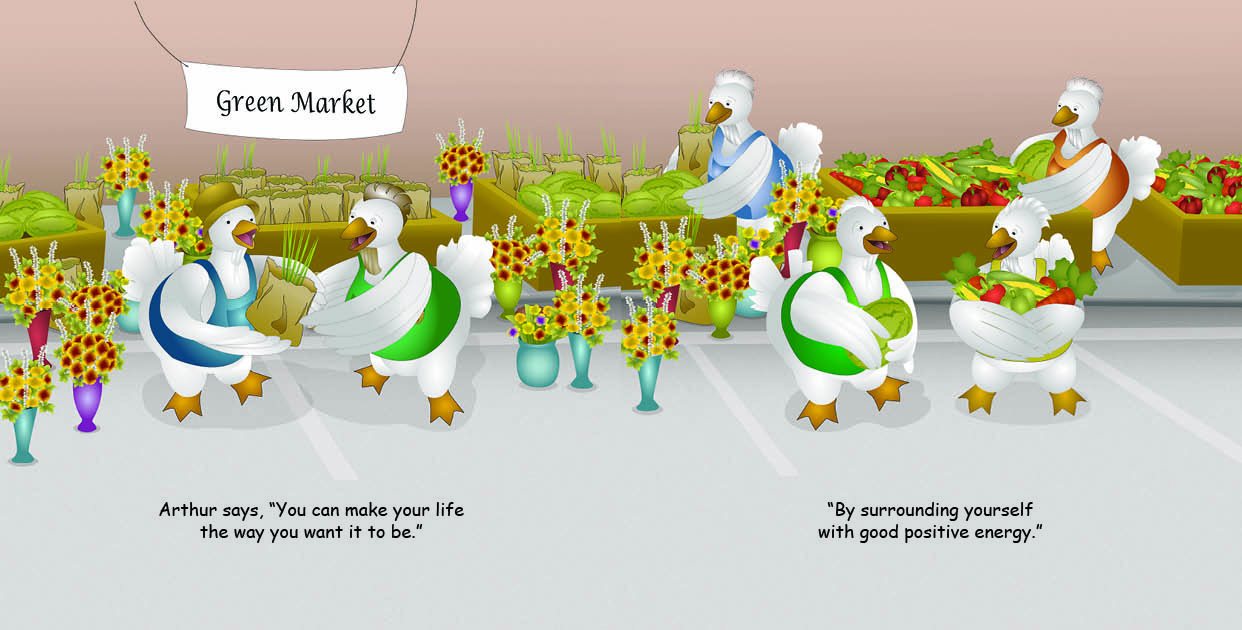
“What you plant today, you will harvest later. So, if you put in love, it will come back greater.”
Arthur the Farmer is a heartwarming picture book that introduces young readers to important lessons about kindness, empathy, and taking responsibility for our actions. Through a challenging encounter with a dissatisfied customer, Arthur demonstrates that difficult moments can be met with patience rather than anger. His thoughtful response encourages children to consider the feelings of others while discovering the value of compassion, forgiveness, and emotional strength.
Why Parents & Teachers Love This Book:
- Encourages emotional intelligence in early childhood.
- Introduces metaphors in an age-appropriate and meaningful way.
- Opens the door to conversations about conflict resolution and compassion.
- Supports social-emotional learning (SEL) goals.
Educational Value:
- SEL lessons at school or home.
- Character education programs.
- Classroom discussions about empathy and emotions.
- Bedtime stories with a deeper message.
Classroom & Home Use:
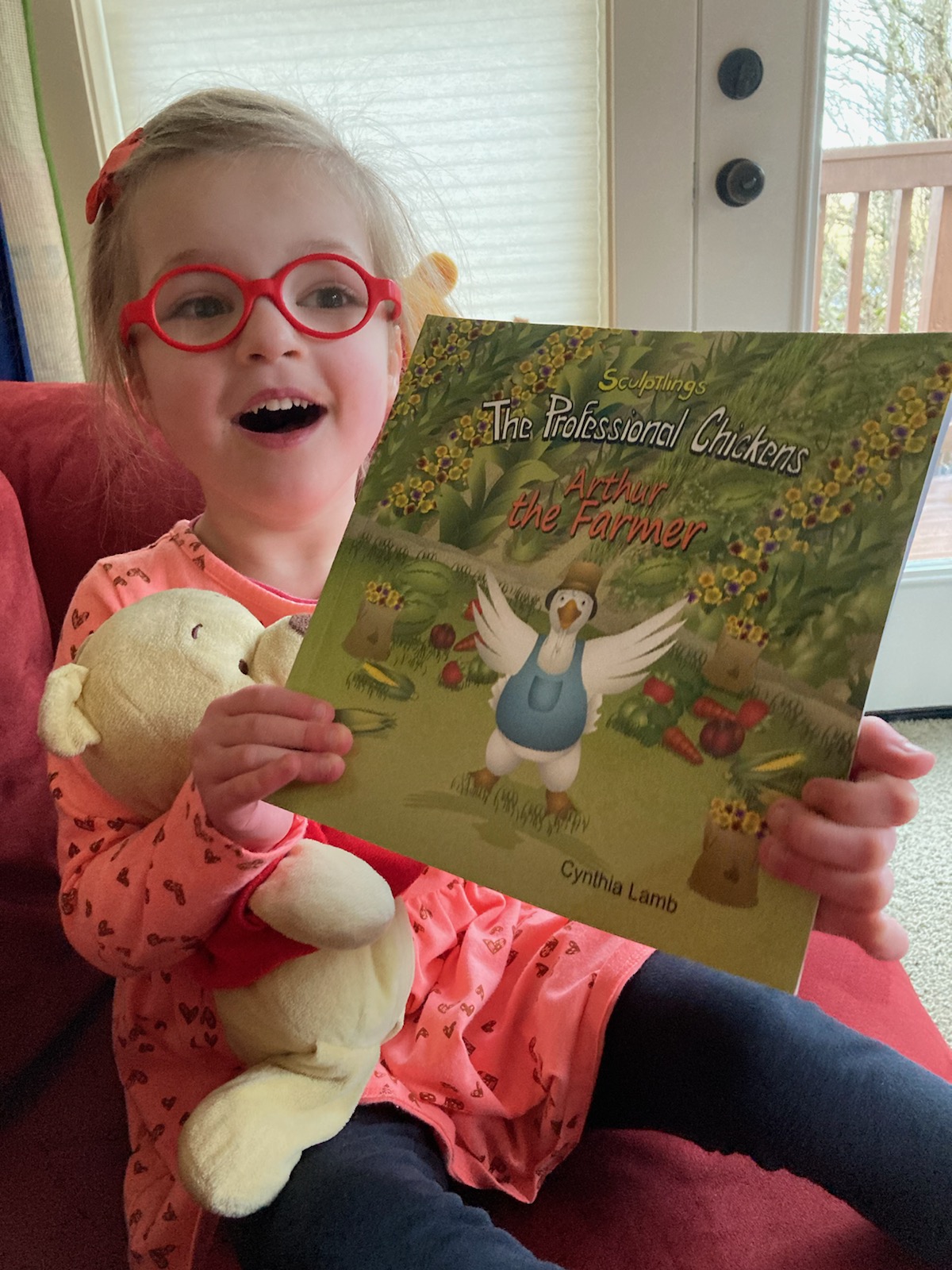
Designed for children ages 3–7, this gentle, engaging book is ideal for early readers, pre-K to grade 2, and anyone seeking emotionally enriching stories for young children.
- How to recognize and manage emotions.
- The importance of kindness, patience, and saying “I’m sorry”.
- That forgiveness can change relationships.
- How words and actions impact others.
Key Themes:
This book fits beautifully into lessons on:
- Emotional awareness with Feelings
- Learning to say I’m sorry
- Understanding forgiveness
Bonus Learning Materials:
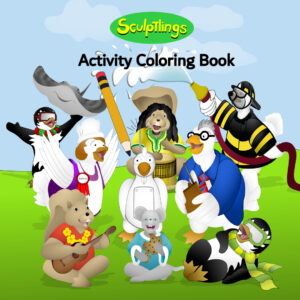
Get more from the story with free resources available on the Sculptlings Activity Page. Download the printable Discussion Guide for deeper conversations and Free coloring pages.
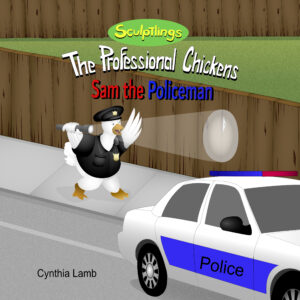
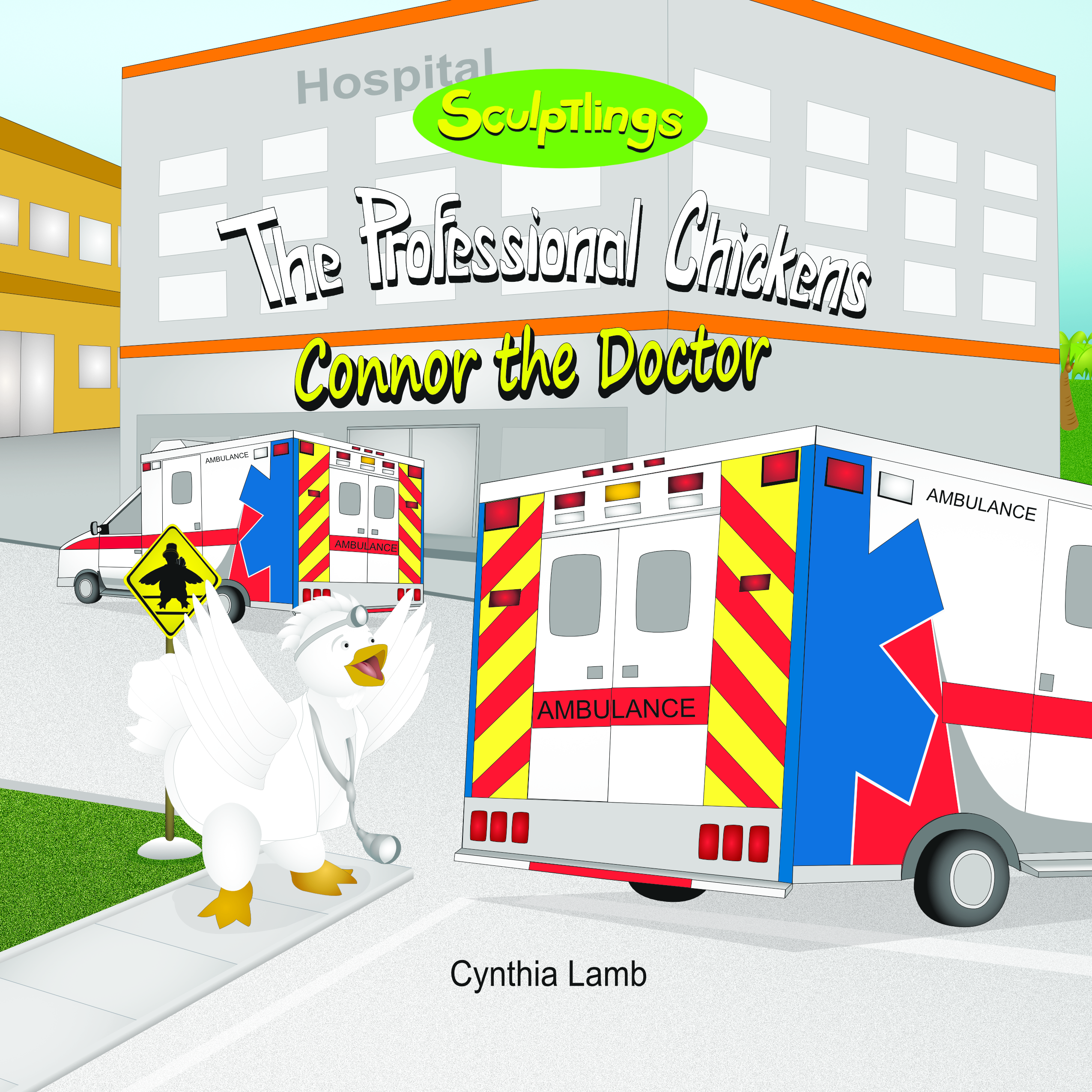
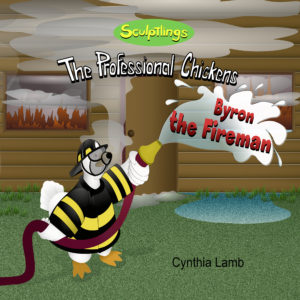
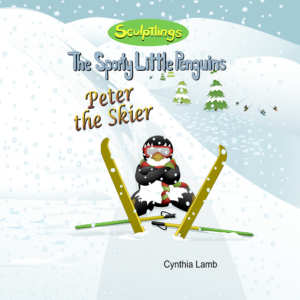
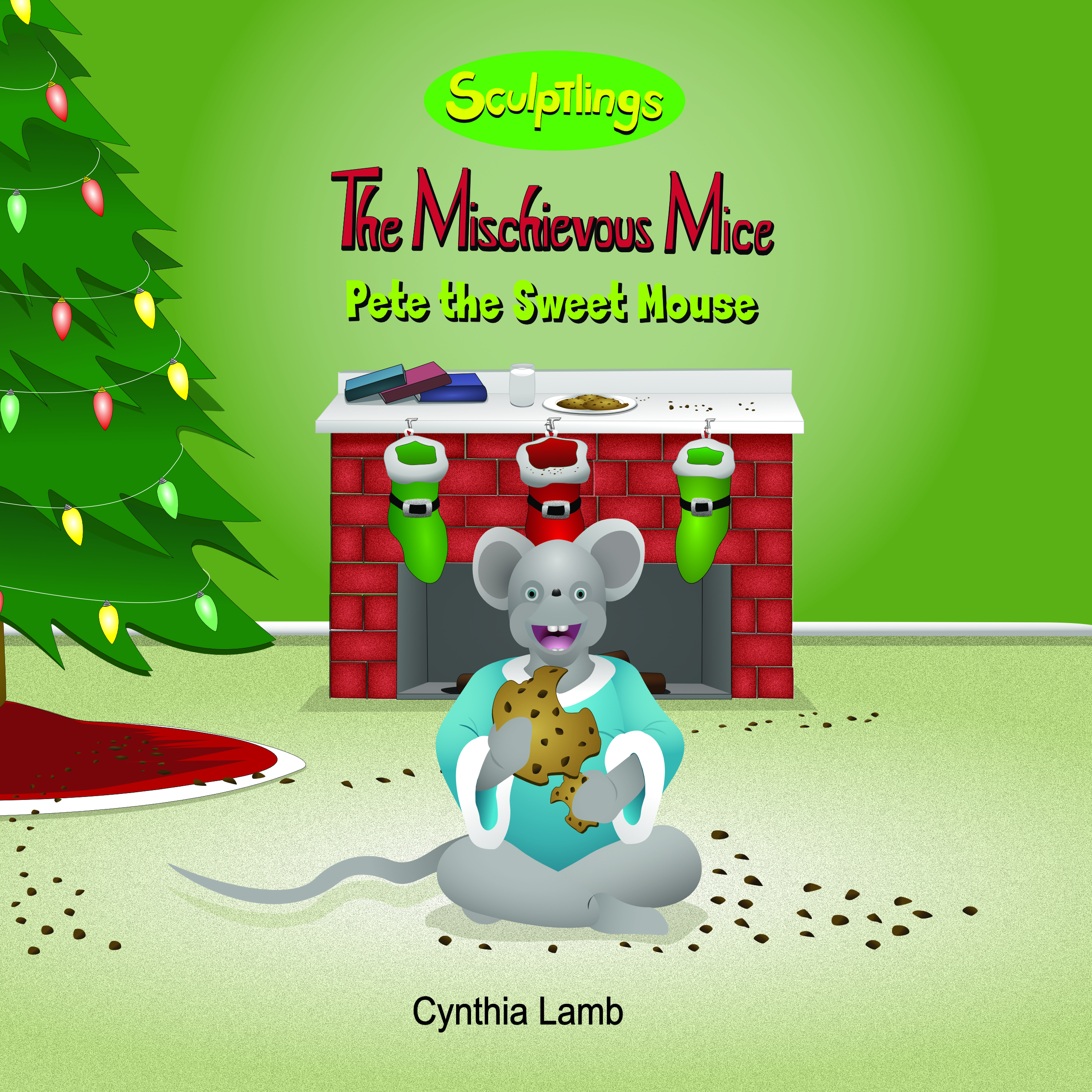
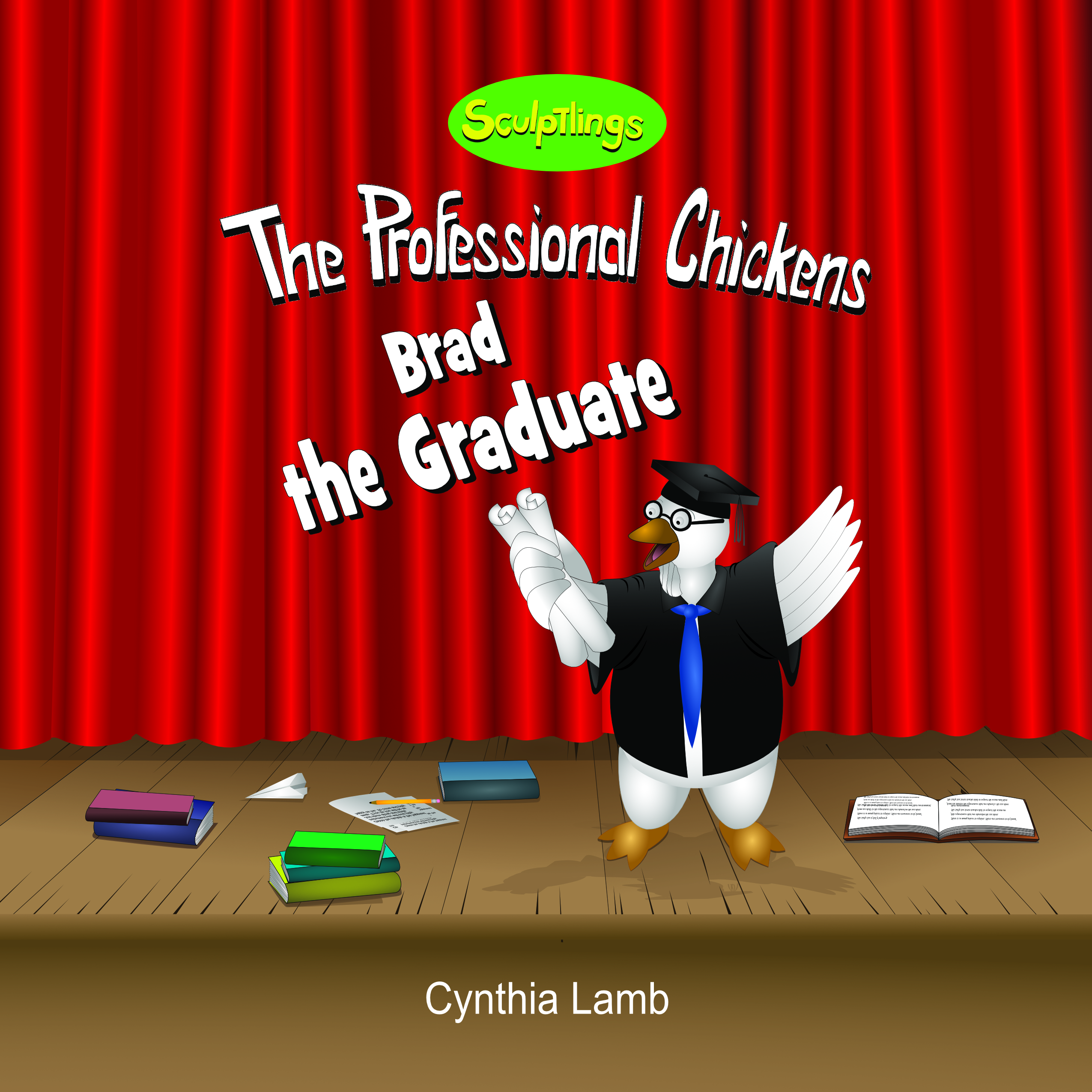
Pair it with other titles from the Sculptlings Book Collection to compare character choices, behaviors, and values. Each book opens the door for thoughtful conversations and reflective learning. By cross-referencing the stories in the series, children can explore similarities and differences while learning from a diverse group of characters.


Reviews
There are no reviews yet.